What Parts of the Cabinets Stay?
The main cabinet boxes generally remain in place during refacing. Interior shelves and existing cabinet locations can also remain when the components continue to function properly and the homeowner does not need a different layout.
Keeping the boxes means refacing cannot fundamentally change cabinet dimensions or move the kitchen to a new configuration. Homeowners who need substantially different storage, appliance locations, or cabinet sizes may receive greater value from replacement.
A contractor should inspect the existing cabinets before recommending refacing. Appearance alone cannot determine whether the cabinet structure provides a suitable base for the project.
What Parts Can Change?
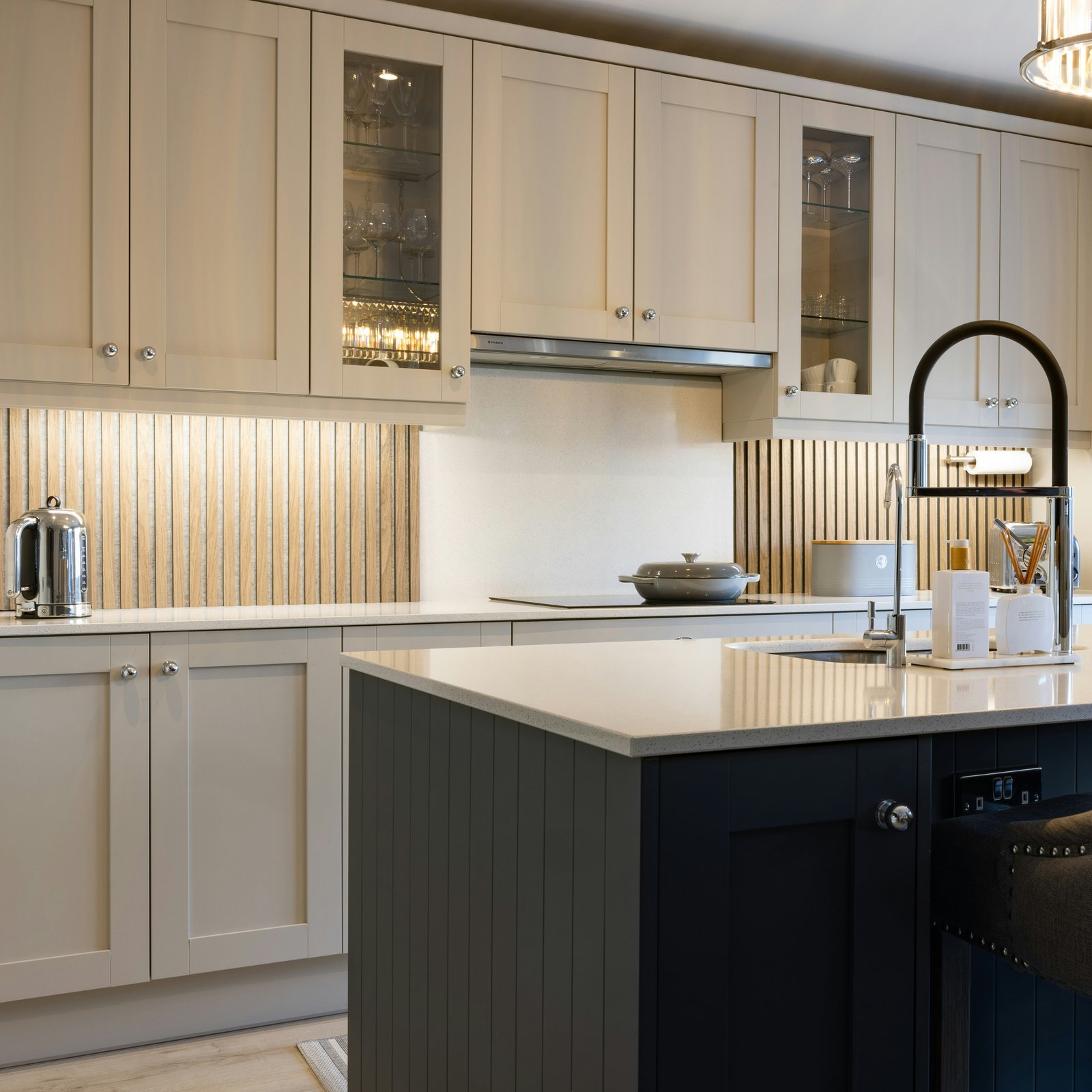
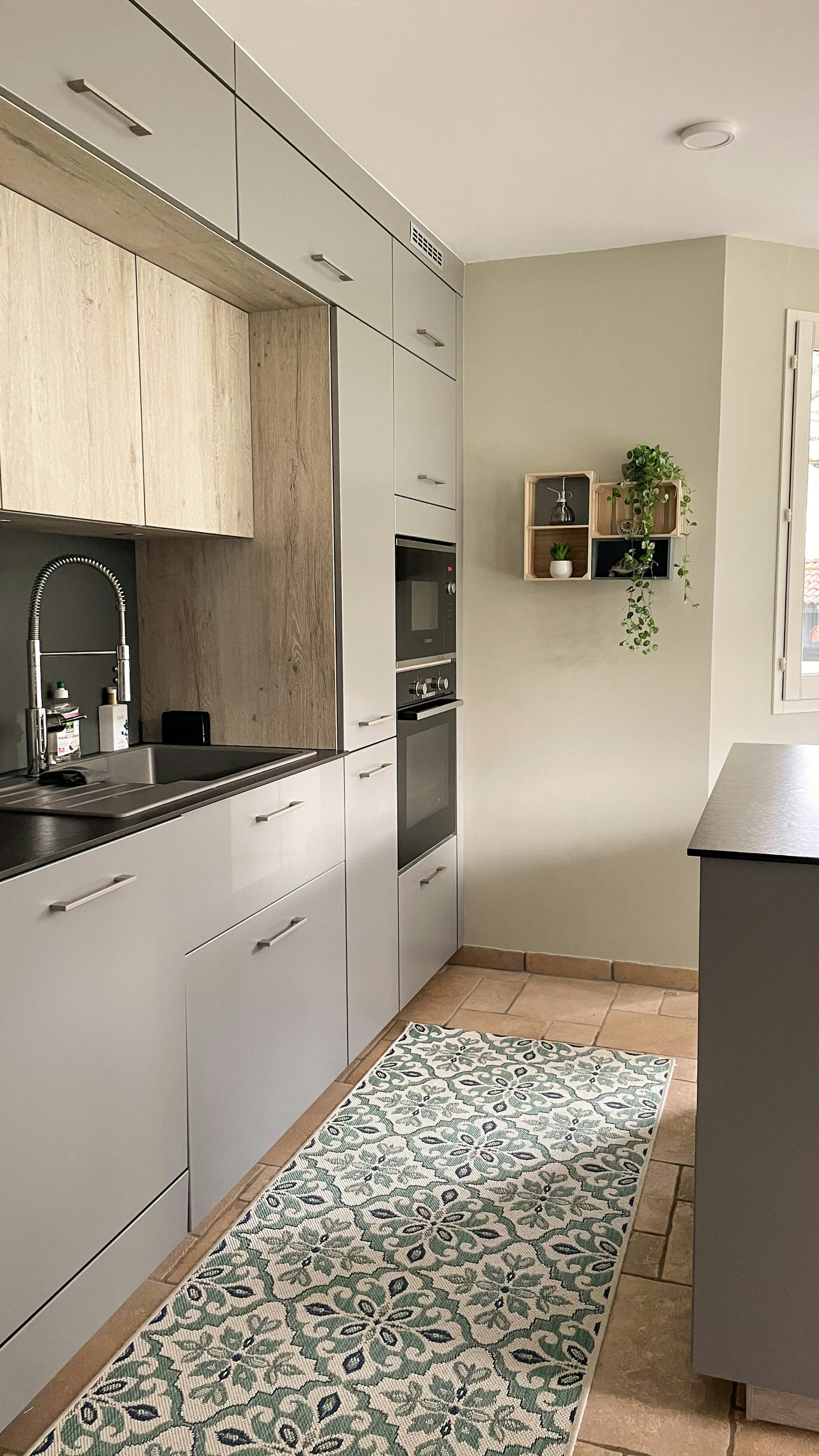
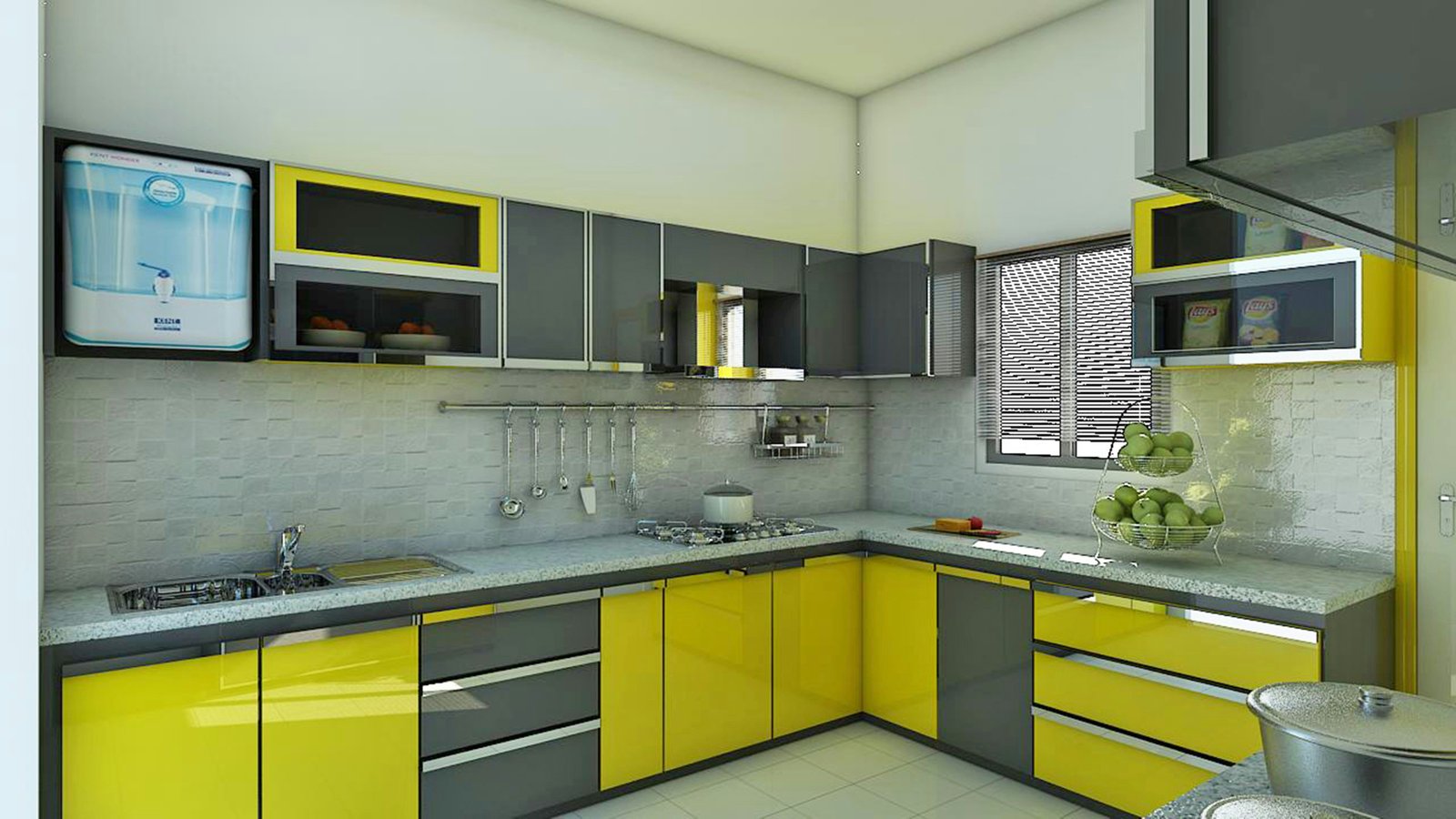
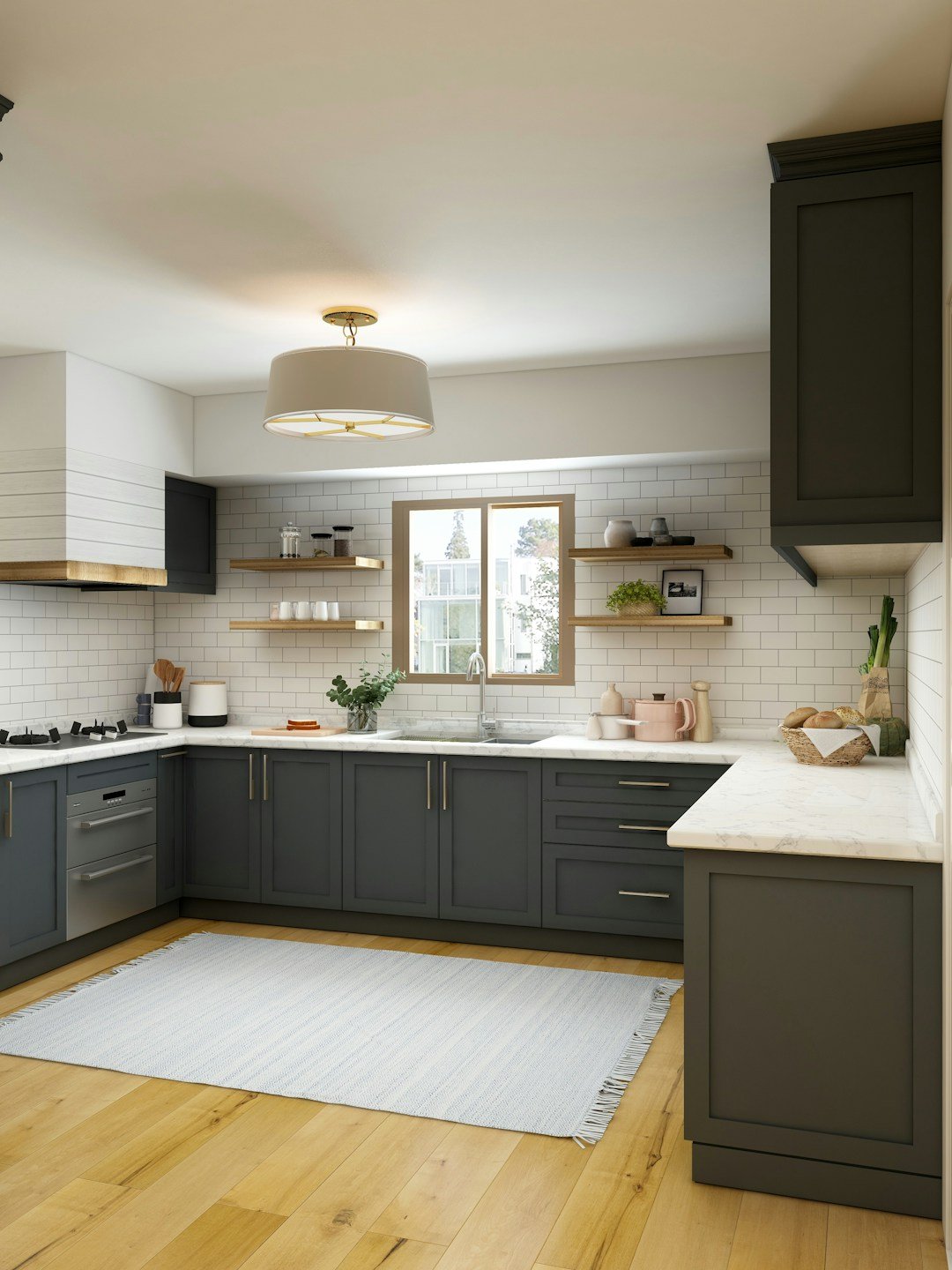
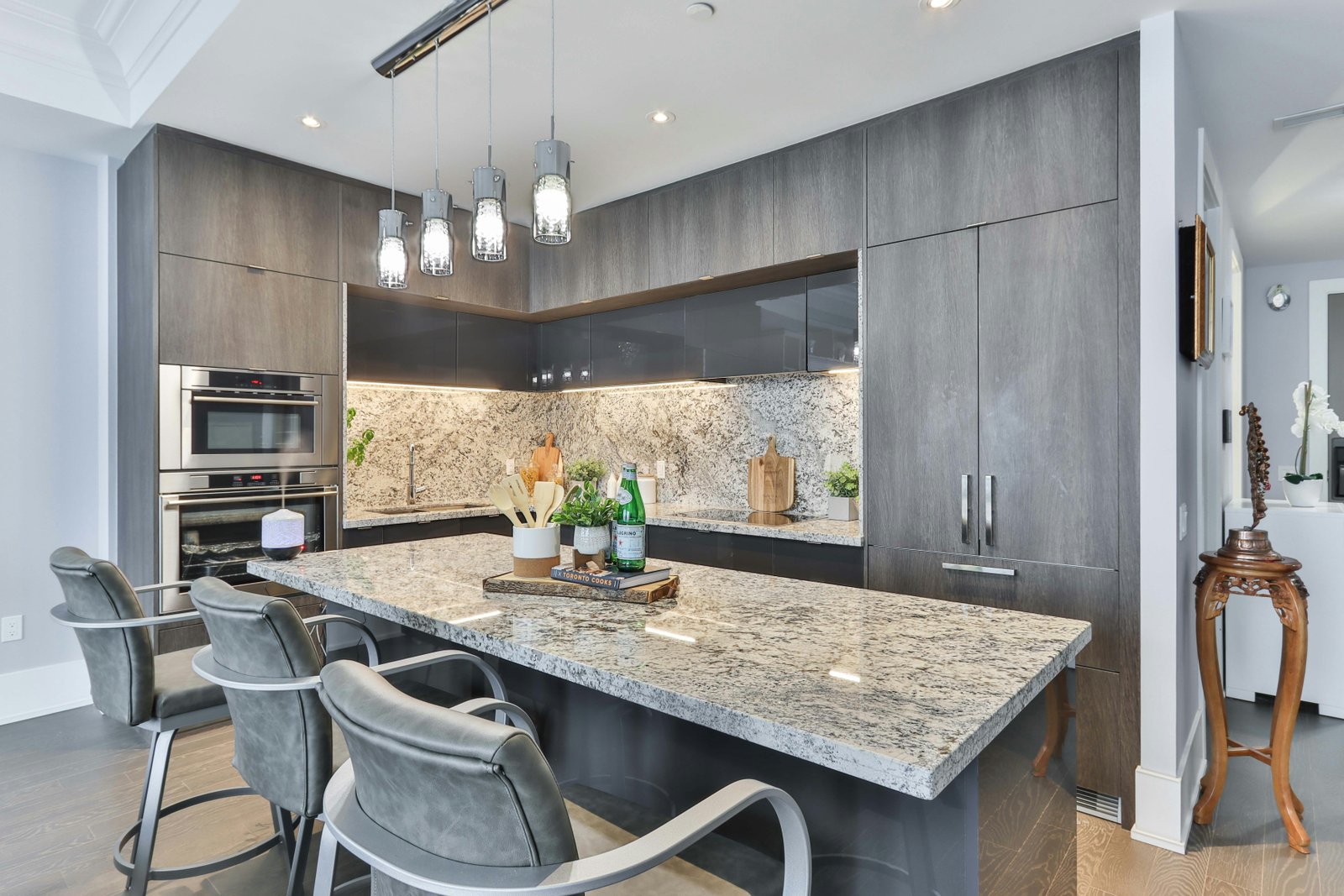
Doors and drawer fronts provide much of the visible cabinet style, so replacing these components can significantly change the kitchen appearance. Homeowners can choose different profiles, finishes, colors, hardware, and decorative details according to available product options.
Exposed cabinet surfaces also need coordination with the new fronts. Face frames, cabinet ends, toe kicks, panels, and molding should create a consistent appearance rather than leaving the old finish visible beside the new doors.
Hardware can also change during the project. New hinges, handles, and knobs can support the updated design, while the cabinet evaluation should determine whether drawer slides or other functional components require attention.
When Cabinet Replacement Makes More Sense
Replacement deserves consideration when cabinet boxes have extensive deterioration, moisture damage, structural problems, or other conditions that make reuse impractical. Installing new fronts over unsuitable cabinet structures does not correct problems within the boxes.
Replacement also provides greater flexibility when the kitchen needs a different layout. Moving appliances, adding cabinets, changing cabinet heights, creating new pantry storage, or redesigning an island can require new cabinetry rather than refacing.
Storage requirements matter as well. Existing cabinet boxes cannot become wider, deeper, or fundamentally different through refacing, so homeowners who need major storage changes should compare replacement options.
What Affects Cabinet Refacing Cost?
Kitchen size provides only part of the answer. Two kitchens with similar floor area can have very different refacing costs when one contains significantly more cabinet doors, drawers, panels, and decorative details.
Material selection creates another major variable. Door construction, wood species, veneers, laminates, hardware, molding, and specialty finishes can move the total price up or down.
Existing cabinet condition can also affect labor. Cabinets that require repairs, extensive preparation, or hardware corrections need additional work before the visible refacing reaches completion.
Refacing vs. Replacement Cost
Refacing often requires less demolition and fewer new cabinet components than complete replacement because the existing boxes remain. That difference can make refacing financially attractive when the current cabinetry provides a suitable foundation.
Replacement costs more in many comparable situations because the project introduces new cabinet boxes and can require additional removal, installation, trim, countertop coordination, plumbing, electrical work, or finish repairs. However, replacement provides more flexibility to correct layout and storage problems.
The better value therefore depends on what the kitchen needs. Lower initial cost does not make refacing the right choice when the homeowner would still have an unsuitable cabinet layout after completion.
Cabinet Refacing vs. Painting vs. Replacement
Refacing, painting, and replacement solve different cabinet problems. Homeowners should choose the method based on cabinet condition, desired appearance, budget, and the amount of functional change required.
| Option | Existing Boxes | Doors and Fronts | Layout Change | Best Fit |
|---|---|---|---|---|
| Cabinet painting | Remain | Usually remain | No | Suitable cabinets needing a color update |
| Cabinet refacing | Remain | Usually replaced | Limited | Suitable boxes with outdated visible surfaces |
| Cabinet replacement | Replaced | Replaced | Yes | Damaged cabinets or major layout changes |
Painting generally creates the least physical change because most existing components remain, and surface preparation becomes especially important because the coating must adhere to the existing cabinet material and finish. Refacing creates a larger visual change by replacing prominent components while preserving the cabinet boxes. Replacement provides the greatest flexibility but also creates the most extensive cabinet construction of the three approaches.